
Uganda’s Oil: A New Dawn for Local Communities and Tourism Growth
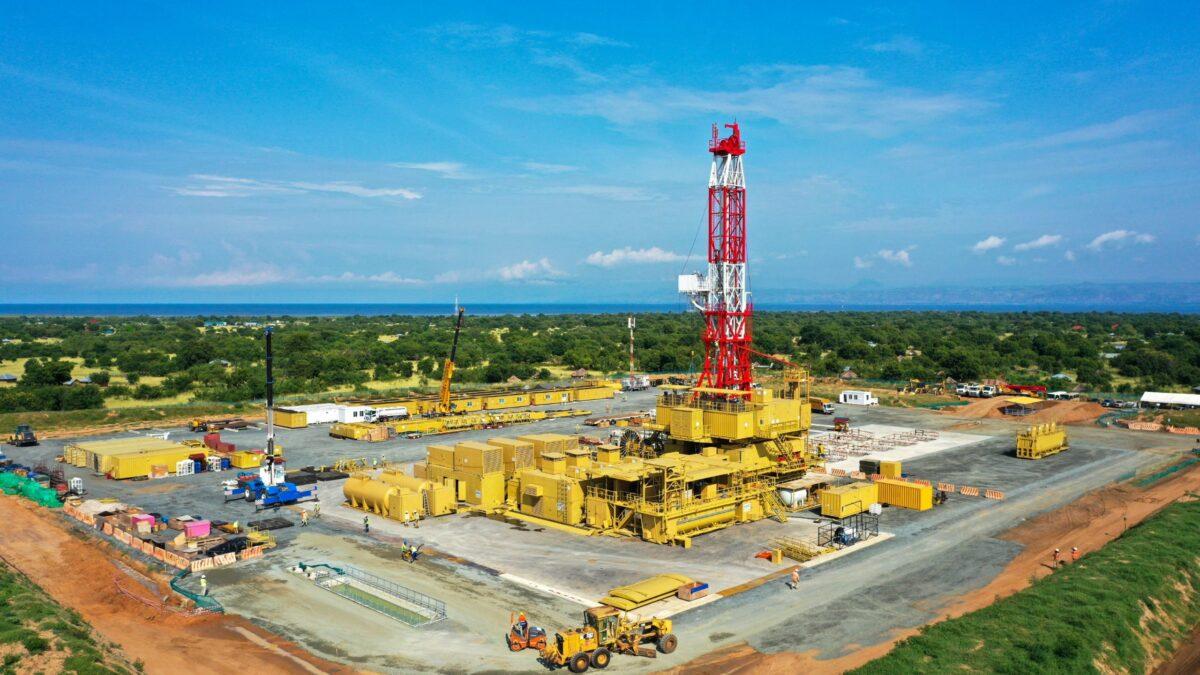
Uganda is on the brink of a major economic transformation with the development of its oil sector. Discovered in the Albertine Graben region, Uganda’s oil resources present a unique opportunity to uplift local communities while simultaneously strengthening the country’s tourism industry. As production plans move forward, the impact of oil is expected to extend far beyond energy touching livelihoods, infrastructure, and national visibility.
Empowering Local Ugandans
One of the most immediate benefits of Uganda’s oil development is job creation. From exploration to production, thousands of Ugandans are gaining employment directly in oil-related activities, while many more benefit indirectly through support services such as transportation, catering, construction, and security.
Local businesses are also seeing new opportunities. Small and medium enterprises are supplying goods and services to oil companies, helping to stimulate entrepreneurship and local economic growth. Additionally, training programs are equipping Ugandans with technical skills, ensuring that the workforce is not only employed but also empowered with long-term capabilities.
Infrastructure development is another major gain. Roads, communication networks, and social services are being improved in oil-rich regions. These developments make it easier for communities to access markets, healthcare, and education, improving overall quality of life.
Boosting Tourism Through Development
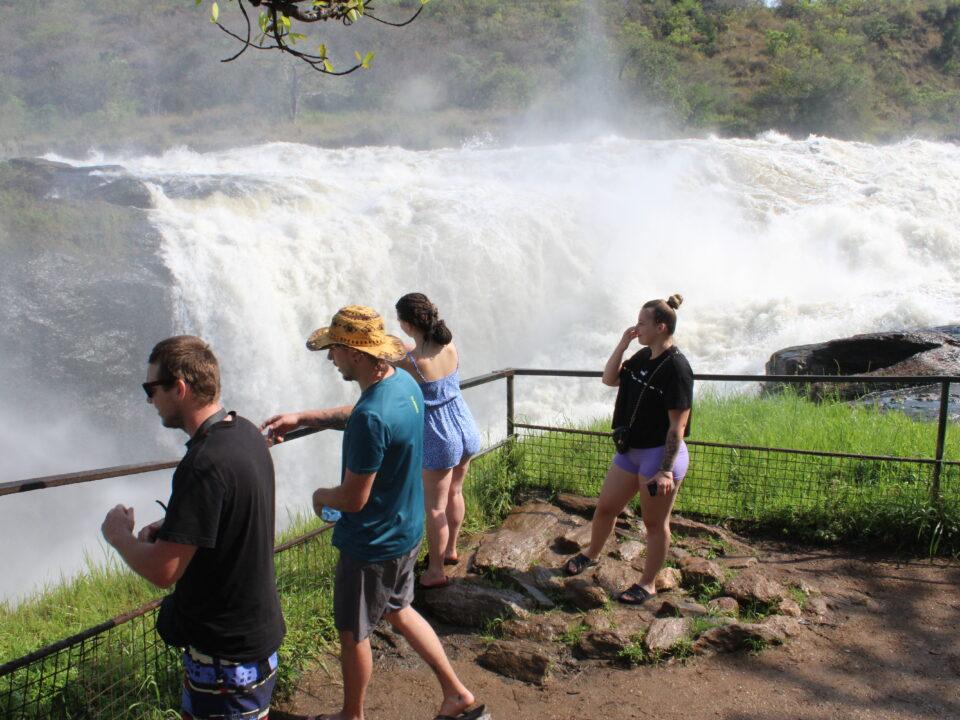
While oil and tourism may seem like separate sectors, they are increasingly interconnected in Uganda’s case. The development of oil infrastructure such as roads and airports makes previously remote tourism destinations more accessible. Areas near national parks and wildlife reserves can now attract more visitors due to improved transport networks.
Furthermore, Uganda’s global profile is rising as it becomes an oil-producing nation. This increased international attention can attract not only investors but also tourists who are curious about the country’s growth story and natural beauty.
Importantly, Uganda is taking steps to balance oil extraction with environmental conservation. Protecting wildlife habitats and ecosystems ensures that tourism remains sustainable. This is critical, as Uganda’s attractions such as national parks, wildlife, and scenic landscapes—are key drivers of tourism revenue.
Opportunities for Tourism Businesses
Tour operators, like local safari companies, stand to benefit significantly. Increased business travel linked to the oil sector will raise demand for accommodation, transport, and guided experiences. At the same time, improved infrastructure allows tour companies to expand their offerings and reach more clients.
There is also potential for niche tourism, such as educational tours where visitors learn about Uganda’s oil journey alongside its conservation efforts. This blend of industry and nature can create a unique tourism product.
Challenges to Manage
Despite the promising outlook, careful management is essential. Environmental protection must remain a priority to avoid damaging Uganda’s natural heritage. Revenue from oil should be transparently managed and reinvested into sectors like health, education, and tourism.
If handled responsibly, oil can complement—not compete with—tourism.
Conclusion
Uganda’s oil sector represents more than just fuel it is a catalyst for national development. For local Ugandans, it brings jobs, business opportunities, and improved infrastructure. For tourism, it opens doors through better access, increased visibility, and new market opportunities.
Related posts