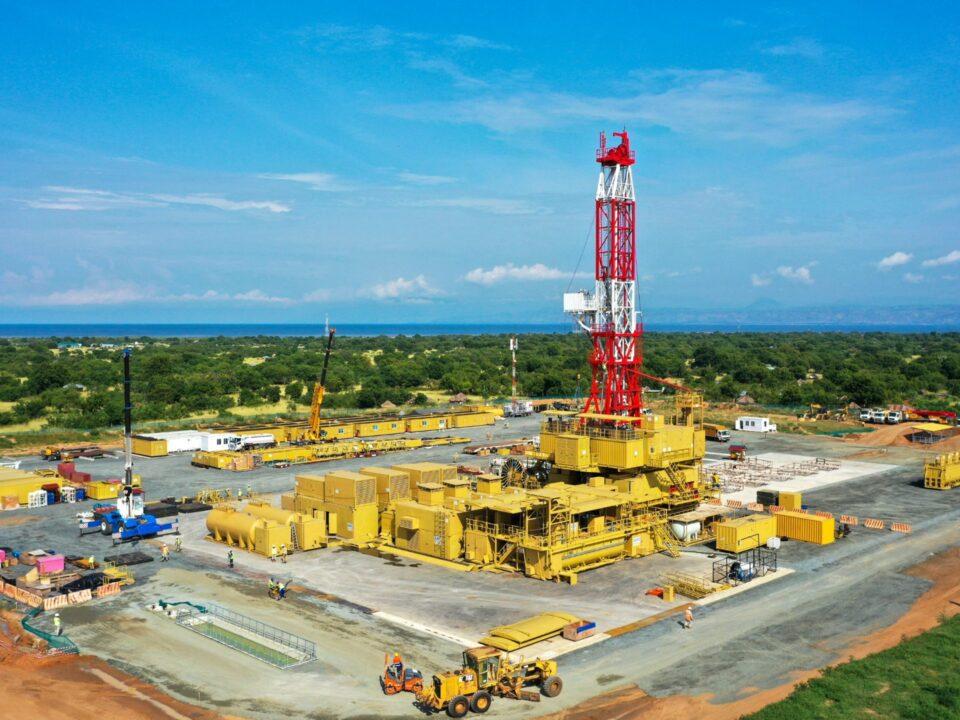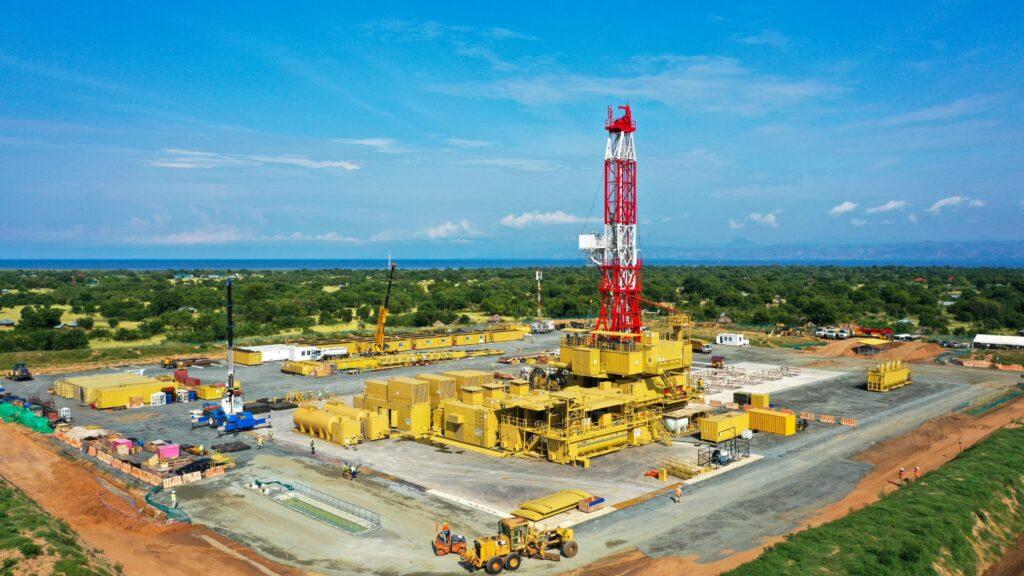
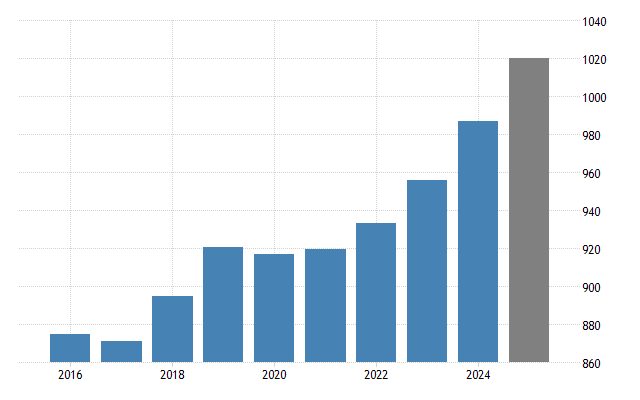
Uganda has experienced steady GDP growth over the past decade, driven mainly by agriculture, construction, services, and increasing exports such as coffee and gold. This growth reflects a gradually expanding economy with improved infrastructure, rising incomes, and increased government revenue. Although there have been temporary slowdowns especially during the COVID-19 period the overall trend has remained positive, signaling economic recovery and resilience.
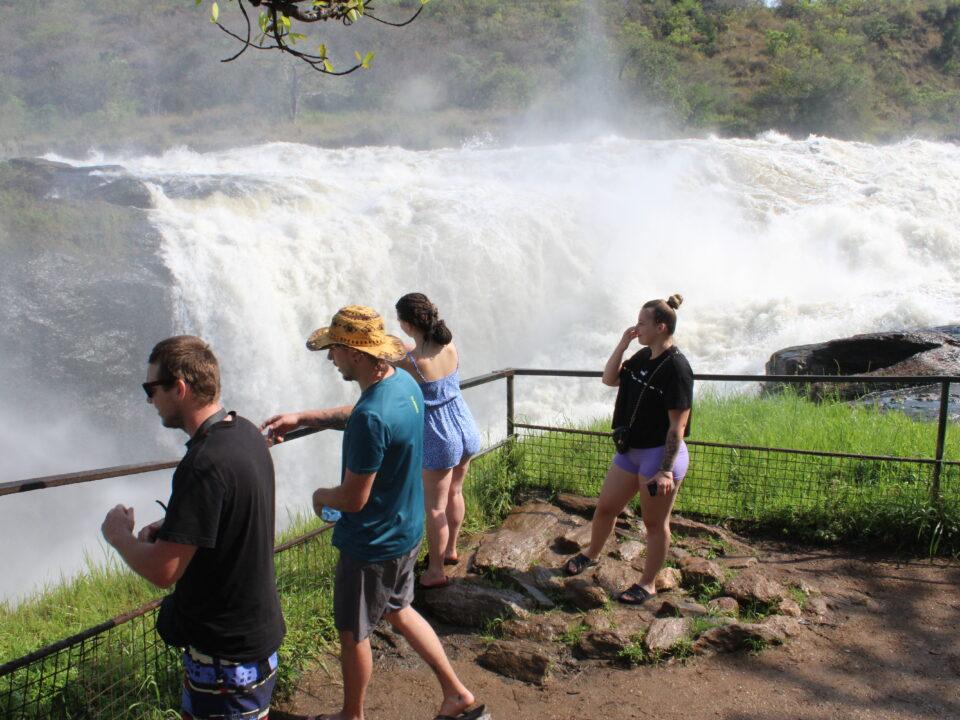
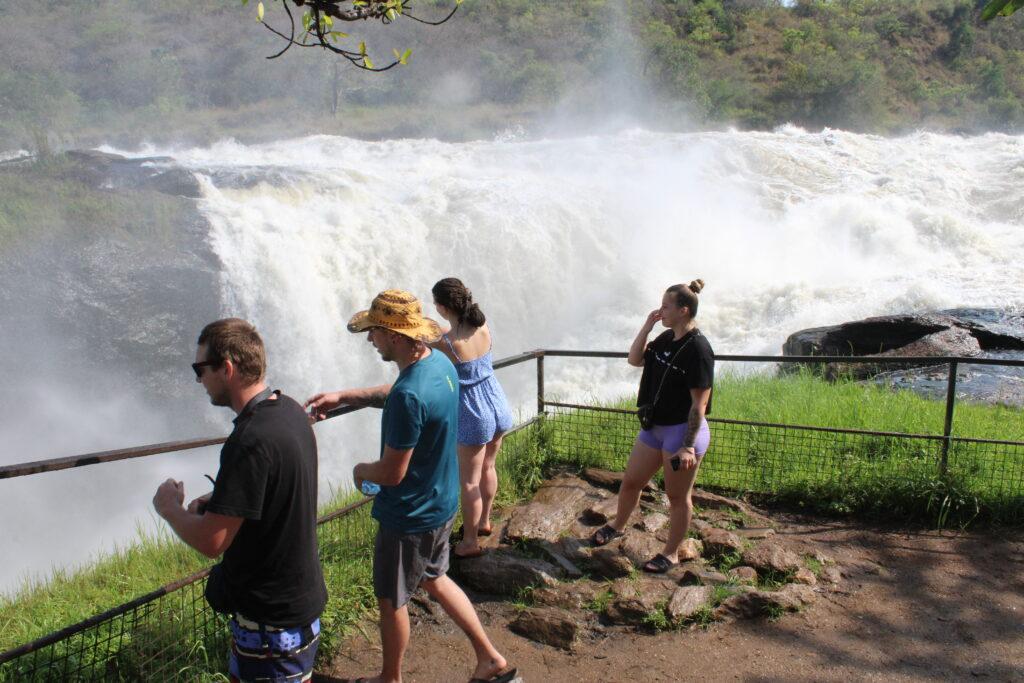
This GDP growth has had a direct positive impact on tourism. As the economy expands, the government and private sector invest more in roads, airports, hotels, and national parks, making tourist destinations more accessible and attractive. Improved infrastructure to areas like Murchison Falls National Park and Bwindi Impenetrable National Park has boosted visitor numbers. Additionally, stronger economic performance allows for better international marketing of Uganda as “The Pearl of Africa,” increasing global visibility and tourist arrivals.
At the same time, tourism itself contributes significantly to GDP, creating a reinforcing cycle. The sector generates foreign exchange, employment, and income for local communities, which further stimulates economic growth. However, tourism remains sensitive to economic shocks; when GDP growth slows either locally or globally tourist arrivals and spending tend to decline. Overall, Uganda’s GDP growth has strengthened tourism, while tourism continues to play a vital role in sustaining and expanding the country’s economy.