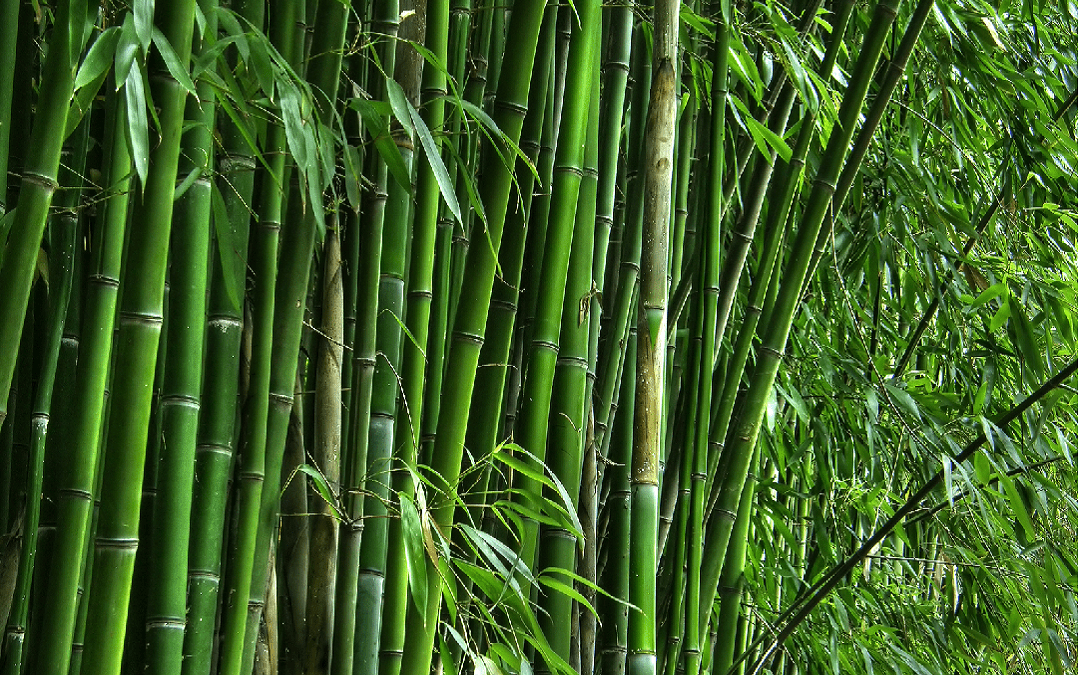
Bamboo trees are important in Uganda because they help protect the environment. Their strong roots hold soil together and prevent soil erosion, especially on hillsides and riverbanks. Bamboo also absorbs carbon dioxide and releases oxygen, helping improve air quality and reduce the effects of climate change. In addition, bamboo reduces pressure on natural forests because it can be used as an alternative source of wood and fuel.
Bamboo also contributes to Uganda’s economy and people’s livelihoods. Farmers can earn income by selling bamboo products such as poles, furniture, crafts, and seedlings. Bamboo is used in construction for houses, fences, and farm structures because it is strong and durable. Some communities also use bamboo shoots as food and bamboo leaves as animal feed.