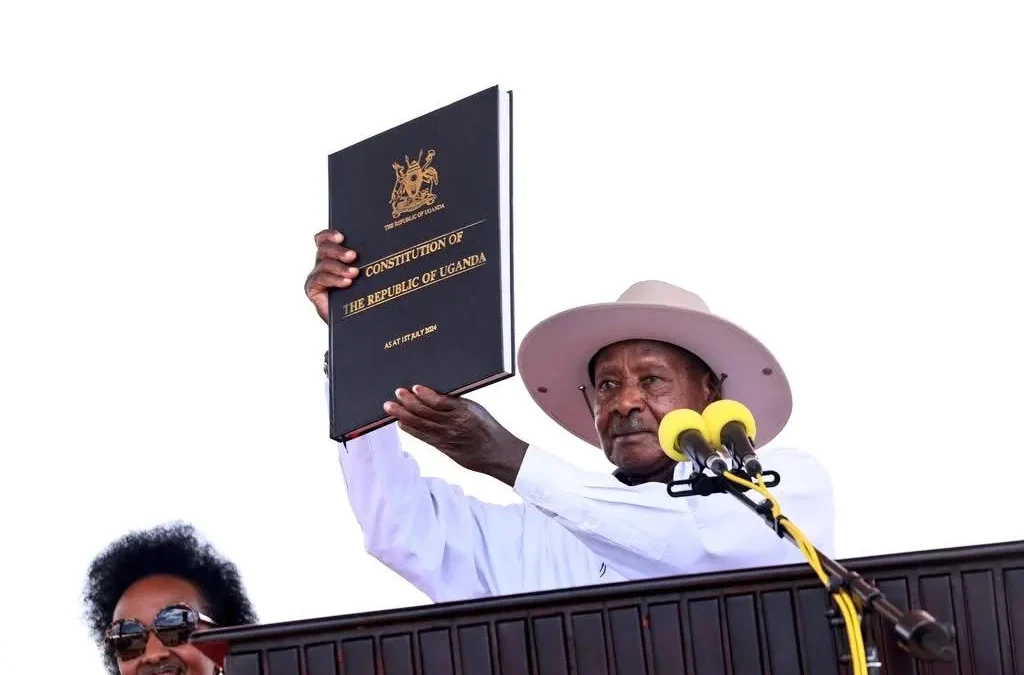
The swearing-in of Yoweri Museveni for another term mainly signals continuity and stability for Uganda. Many businesses and investors prefer a stable political environment because it allows ongoing government projects such as roads, electricity expansion, oil development, and trade programs to continue without interruption. This may help maintain investor confidence and support economic growth in sectors like agriculture, tourism, and infrastructure.
Economically, many Ugandans expect the government to focus more on job creation, reducing poverty, and controlling the rising cost of living. Youth unemployment remains one of the country’s biggest challenges, so citizens will closely watch whether the new term brings more employment opportunities and business support. If the economy grows but ordinary people do not feel improvements in their daily lives, public frustration could increase despite national development projects.
Politically, the new term strengthens Uganda’s position in the East African region because the country continues playing a major role in trade, security, and regional cooperation. Supporters believe experienced leadership helps maintain peace and stability, while critics continue raising concerns about democracy, governance, and political freedoms. These discussions may affect Uganda’s international image and some foreign relationships.
One of the biggest factors for Uganda’s future economy is the oil and gas sector. If oil revenues are managed properly, they could help improve infrastructure, healthcare, education, and create jobs for millions of people. However, success will depend on transparency, proper planning, and reducing corruption. Many experts believe the coming years are very important in determining whether Uganda achieves stronger economic transformation and better living standards for its citizens.