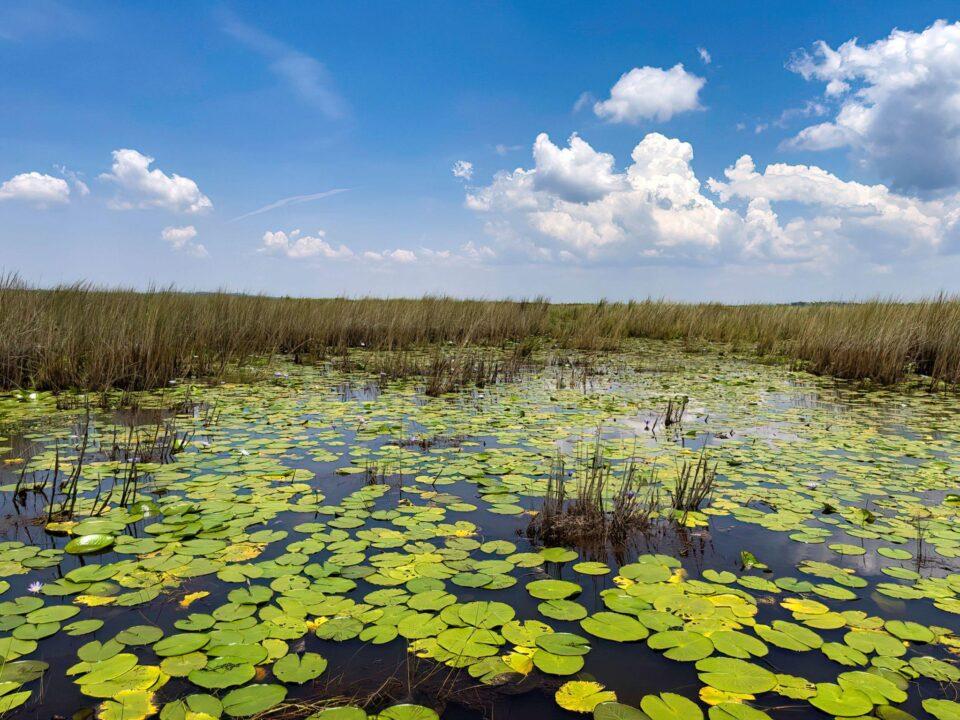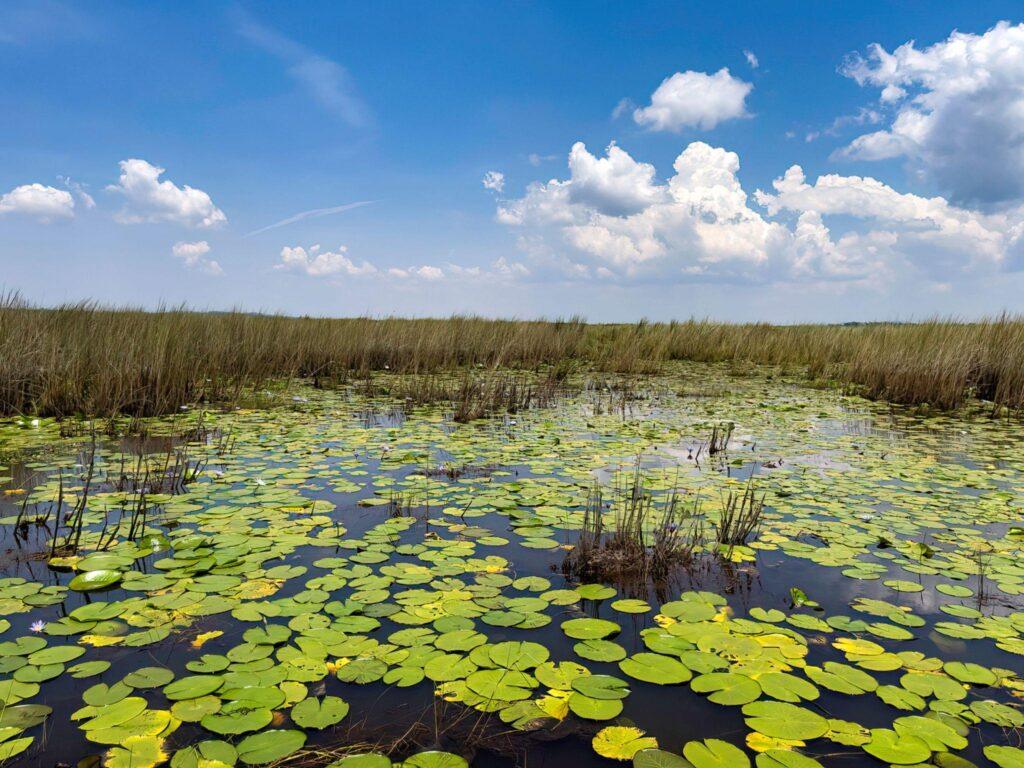
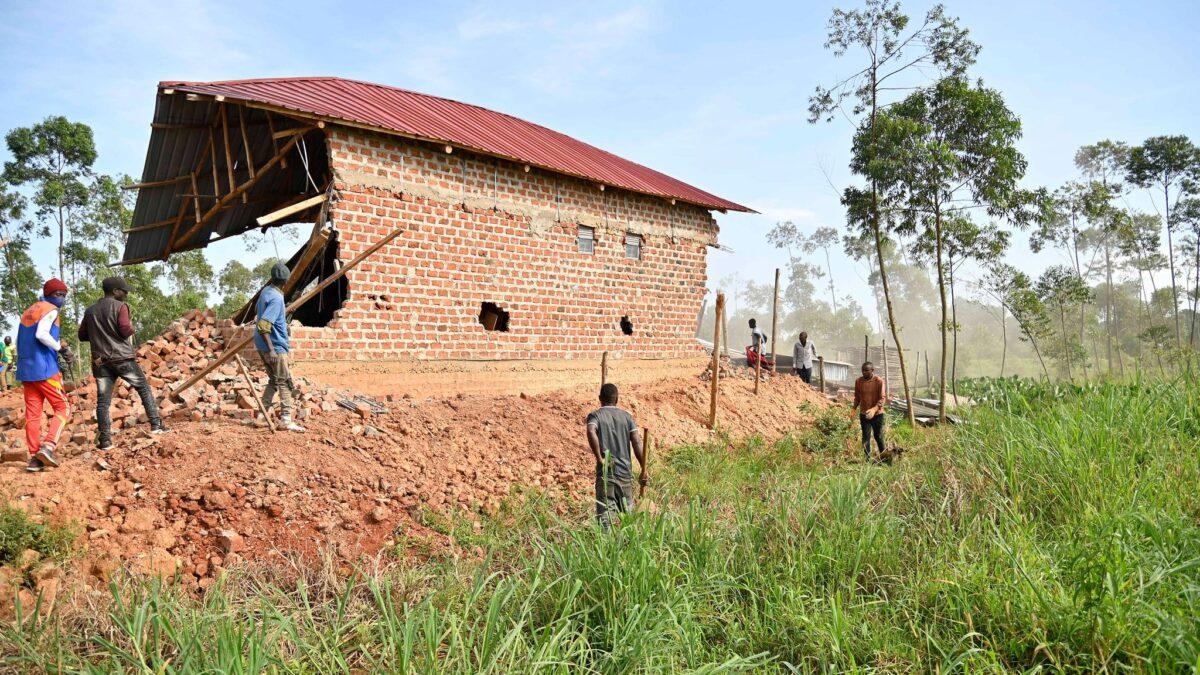
Wetland evictions in Uganda have become a major national issue as the government intensifies efforts to restore and protect wetlands that have been encroached upon by settlements, industries, and farming activities. Wetlands play a critical role in controlling floods, purifying water, supporting wildlife, and maintaining ecological balance. Authorities argue that restoring these natural ecosystems is necessary to protect communities from the increasing effects of environmental degradation and climate change.
The benefits of wetland restoration are significant. Healthy wetlands act as natural water reservoirs, reducing the risk of flooding in urban areas such as Kampala and surrounding districts. They also improve water quality, support biodiversity, and contribute to climate resilience by storing carbon and regulating local weather patterns. For many environmental experts, protecting wetlands is essential for Uganda’s long-term sustainable development.
However, the evictions have also created serious social and economic challenges. Many families have lost homes, farms, and businesses that provided their livelihoods. Some affected residents claim they occupied the land legally or purchased it in good faith, only to face eviction years later. The loss of income, shelter, and community networks has pushed some families into poverty and uncertainty about their future.
A common concern among the public is whether enforcement is applied equally. Critics often question why some influential individuals, large businesses, and commercial developments appearing to be located in wetland areas seem less affected than ordinary residents. While government agencies maintain that the law applies to everyone, perceptions of selective enforcement continue to fuel public debate and calls for greater transparency and fairness in the eviction process.
Several wetlands have been the focus of restoration and enforcement efforts, including the Lubigi Wetland, Nakivubo Wetland, and Kinawataka Wetland. These actions are carried out under Uganda’s environmental laws, particularly the National Environment Act, which prohibits activities that degrade protected wetland ecosystems. The law empowers authorities to remove illegal structures and restore damaged areas.
The biggest unanswered question remains what happens to the people who are evicted. While some relocate to rural areas or rent accommodation elsewhere, many struggle to find alternative housing and sources of income. For wetland restoration efforts to achieve broad public support, many stakeholders believe environmental protection should be accompanied by fair procedures, adequate notice, and practical solutions for affected communities. Finding a balance between conservation and human welfare remains one of Uganda’s most important policy challenges.