The Buganda clan system (Ebika) is one of the oldest and most important institutions of the Buganda Kingdom in Uganda. It is believed that the clans existed even before the kingdom was established by the first Kabaka, Kintu. When Buganda was formed, the different communities that came together retained their clan identities, and over time more clans were added. Today, Buganda officially recognizes more than 50 clans, each with its own history, leadership, customs, and totem.
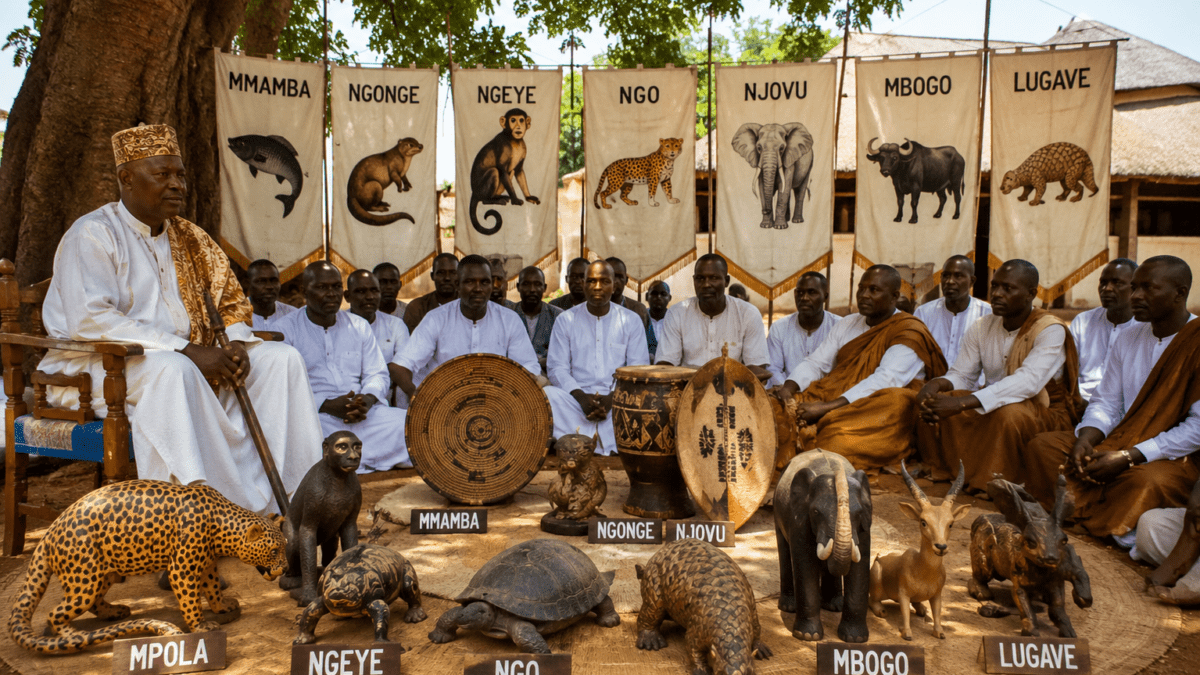
Each Buganda clan has a totem (Omuziro), which is usually an animal, bird, plant, or other natural object that symbolizes the clan’s identity and ancestry. Totems are treated with great respect, and clan members traditionally avoid harming or eating their principal totem. Rather than being objects of worship, totems serve as symbols of unity, reminding members of their shared heritage and strengthening the bond among relatives within the same clan.
The clan system plays a vital role in organizing Baganda society. Every Muganda inherits their clan from their father, making the clan an important part of their identity throughout life. Clans regulate marriage by prohibiting unions between members of the same clan, as they are considered close relatives. They also preserve family histories, cultural traditions, leadership structures, and customs that are passed down from one generation to the next.
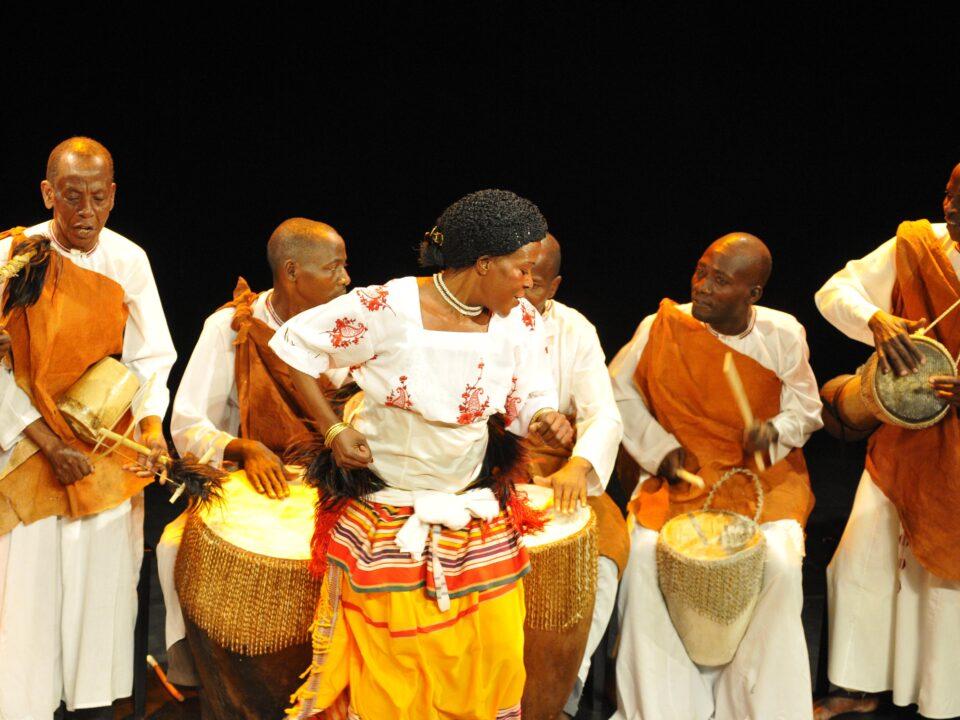
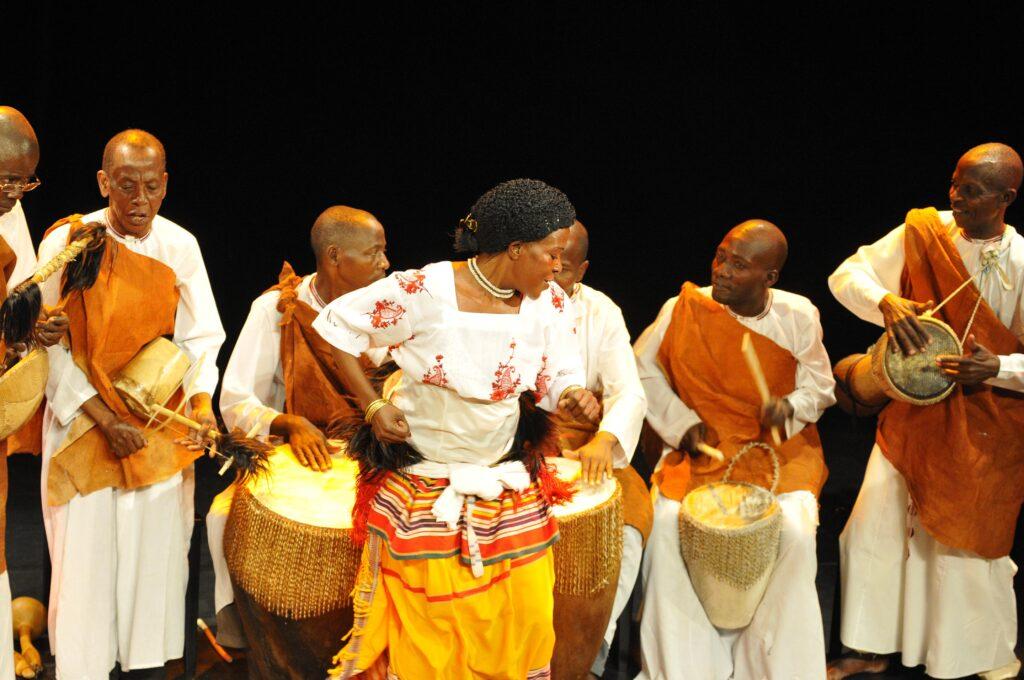
Today, the Buganda clans remain central to the kingdom’s cultural heritage despite modernization. Clan identity is proudly displayed during traditional ceremonies such as kwanjula (traditional introduction), weddings, funerals, and kingdom events. Through their clans and totems, the Baganda continue to promote unity, respect for cultural values, environmental conservation, and a strong sense of belonging that has endured for centuries.