
The proposed Uganda budget for FY 2026/2027 reflects a shift toward greater self-reliance, with government planning to raise more revenue locally rather than depending on foreign aid. For ordinary Ugandans, this likely translates into increased tax pressure and stricter enforcement, especially on small businesses and informal sector players. While the intention is to stabilize the economy and reduce debt dependence, the short-term effect may be a higher cost of living and tighter household finances.
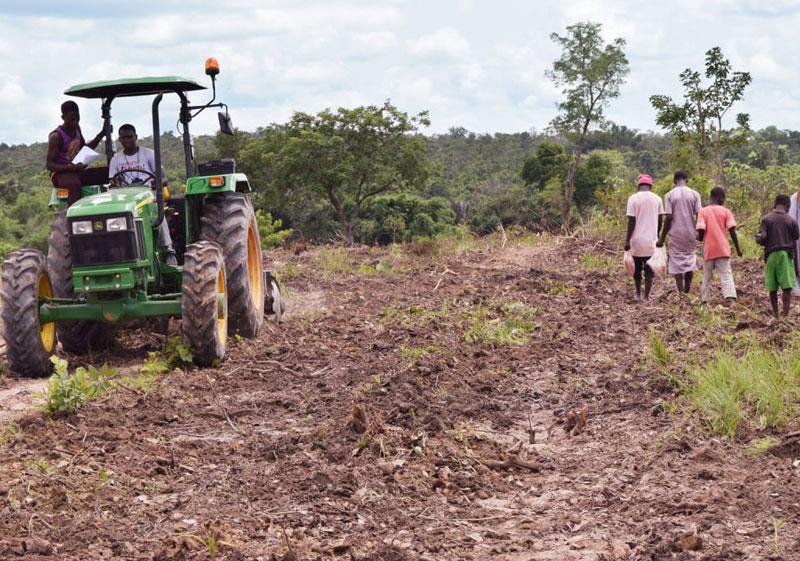
At the same time, the budget continues to prioritize long-term economic growth sectors such as agriculture, industrialization, and oil and gas. This signals future job creation and infrastructure development, but the benefits may not be immediately felt by many citizens. Public services like healthcare and education could see mixed outcomes, as government balances between investing in growth and managing existing debt obligations.
For tourism, the budget maintains the sector as a key economic pillar, recognizing its role as one of Uganda’s top foreign exchange earners. There is continued support for marketing the country internationally, improving infrastructure, and attracting new tourist markets. This creates opportunities for increased visitor numbers, more business for tour operators, and growth in related sectors like hospitality and transport.
However, tourism still receives a relatively small share of the national budget, which limits how fast it can grow. Critical areas such as destination infrastructure, conservation, and local tourism development remain underfunded. As a result, while the sector has strong potential and positive policy attention, its expansion may be gradual, with benefits unevenly distributed across regions and businesses.