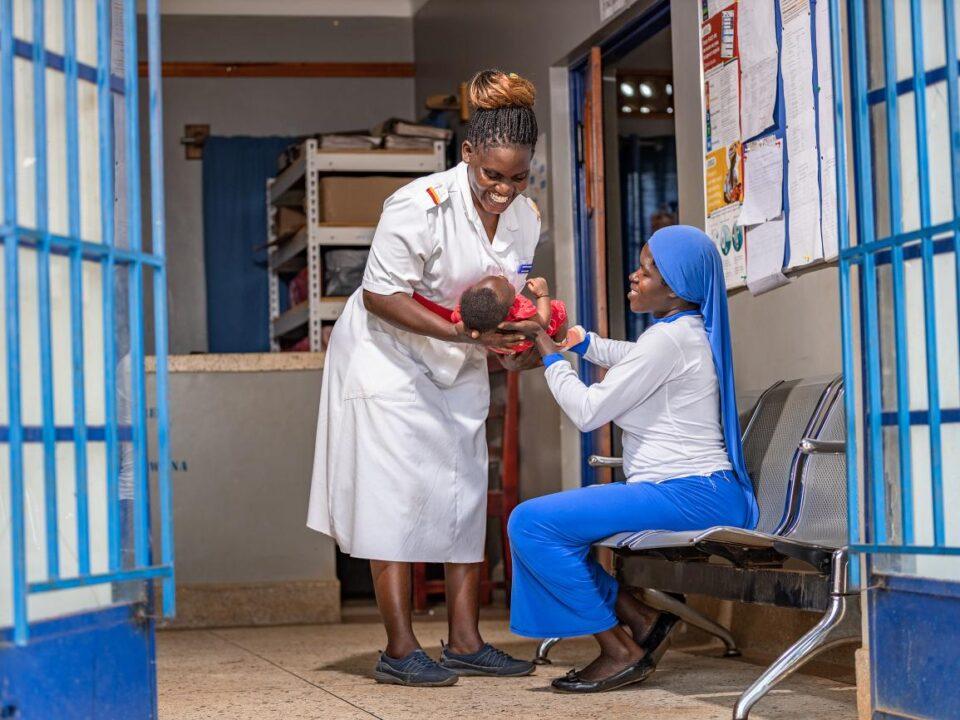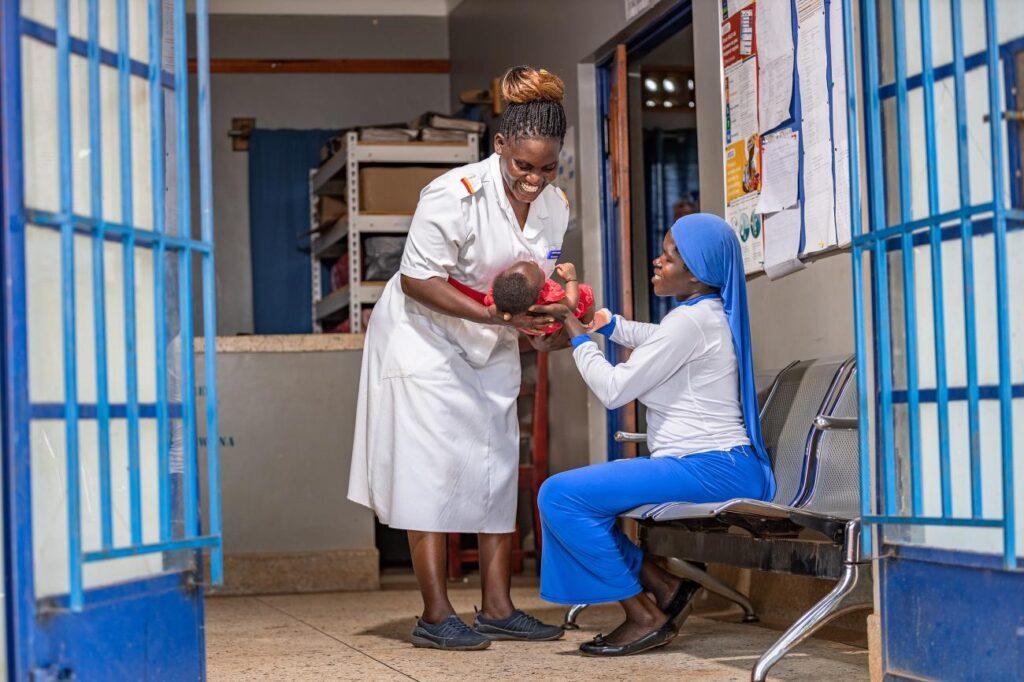
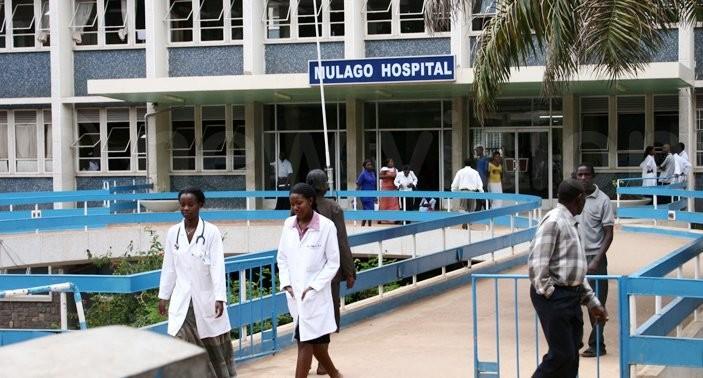
Medical interns are a critical part of Uganda’s healthcare system. After completing their medical studies, they undergo internship training in hospitals where they gain practical experience under supervision. During this period, they help diagnose illnesses, treat patients, assist in surgeries, and provide emergency care. Their contribution helps hospitals manage the large number of patients seeking medical services every day.
One of the main reasons medical interns are important is that they help address the shortage of healthcare workers in Uganda. Many public hospitals have limited numbers of doctors and nurses, making interns an essential workforce. They work in various departments, including pediatrics, surgery, internal medicine, and obstetrics and gynecology, ensuring that patients receive timely care.
Medical interns should be paid because they perform real and demanding work. They often work long hours, including night shifts, weekends, and public holidays. Despite being under training, they carry significant responsibilities and contribute directly to patient care. Paying them recognizes their efforts and the valuable services they provide.
In addition, interns face many financial challenges during their training. They need money for accommodation, transport, meals, and other daily expenses. Without adequate financial support, some may struggle to meet their basic needs, which can affect their concentration, performance, and overall well-being while serving patients.
Paying medical interns is also an investment in Uganda’s healthcare future. Fair compensation motivates young health professionals, improves morale, and encourages them to remain in the country’s health sector. By supporting medical interns, Uganda strengthens its healthcare system and ensures better medical services for its citizens in the years ahead.