
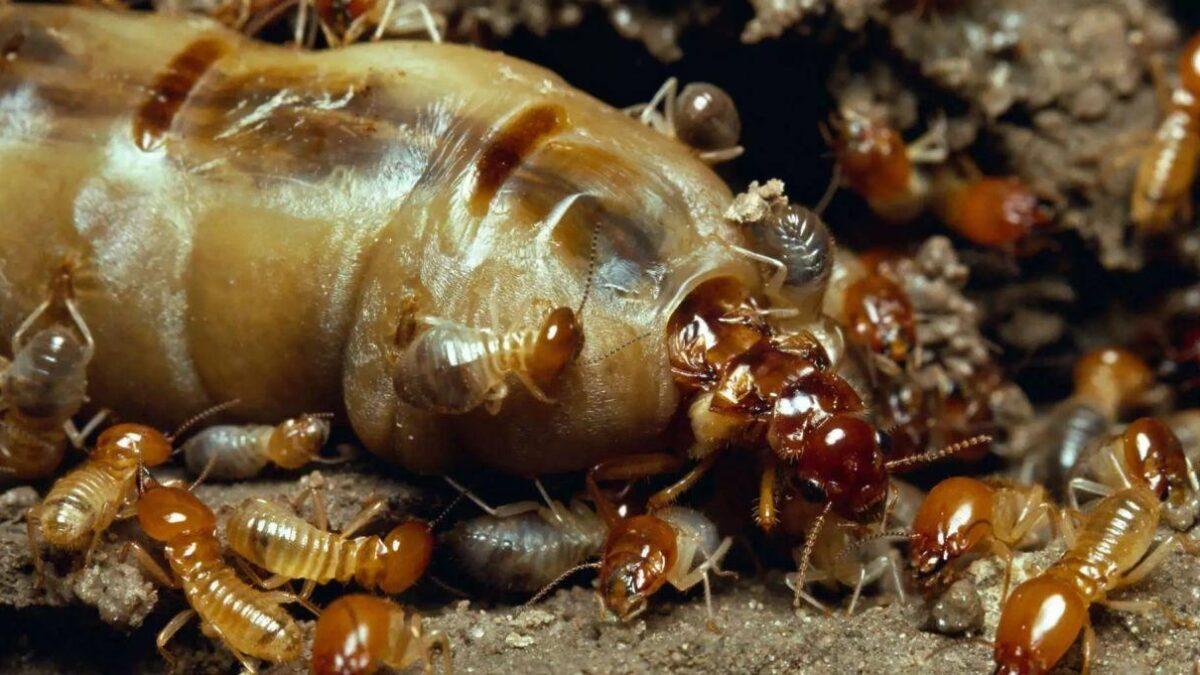
Across the plains and forests of Uganda, towering anthills rise from the earth like natural monuments. To many people, they are simply heaps of soil, but hidden beneath them lies one of nature’s most remarkable societies. In Luganda, the queen termite is known as Namunswa, and she is regarded as the heart of the entire colony. The anthill itself is the result of the tireless work of millions of worker termites, each performing a small task that eventually creates a magnificent structure. Although people commonly call them “ant hills,” these mounds are actually built by termites, also known as white ants.
The story of Namunswa begins with a young queen and king that establish a new colony after their mating flight. They settle safely underground, where the queen begins laying eggs that hatch into workers and soldiers. As the colony grows, the workers gather soil, mix it with saliva, and carefully build chambers, tunnels, and ventilation shafts above the nest. Day after day, they expand and repair the mound, creating an engineering masterpiece that protects the colony from rain, predators, and extreme temperatures. The queen rarely leaves her royal chamber because her responsibility is to produce the next generations of termites, while the workers feed, clean, and protect her.
In Buganda culture, Namunswa became a powerful symbol of leadership and unity. A well-known Kiganda proverb compares the authority of a ruler to that of Namunswa over her mound: “Omuteregga afuga Buganda nga Namunswa bw’afuga ekiswa.” Just as the queen termite is central to the survival of the colony, a wise leader is expected to guide and protect the people under their care. The anthill therefore represents cooperation, discipline, hard work, and shared responsibility, where every member contributes to the success of the whole community.
Today, anthills remain a familiar sight throughout Uganda and continue to inspire stories about teamwork and perseverance. Though the queen termite is hidden deep inside the mound and is rarely seen, her presence gives life to the entire colony. The workers build, the soldiers defend, and the queen ensures the future of the colony. Together they remind us that great achievements are not built by one individual alone, but through unity, patience, and collective effort. The story of Namunswa is therefore more than a tale about insects—it is a timeless lesson about leadership, community, and the strength that comes from working together.