ganyana-logo-ext-SL-whtganyana-logo-ext-SL-whtganyana-logo-ext-SL-whtganyana-logo-ext-SL-wht
  • Home
  • Safaris
    • All Safari Packages
    • Gorilla Trekking
    • Wildlife Safaris
    • Birding Safaris
    • Fly-in Safaris
    • 6-9 Day Safaris
    • 10+ Day Safaris
  • Destinations
    • Bwindi Impenetrable National Park
    • Mgahinga Gorilla National Park
    • Kibale Forest National Park
    • Murchison Falls National Park
    • Queen Elizabeth National Park
    • Lake Mburo National Park
    • Kidepo Valley National Park
    • Semliki National Park
    • Rwenzori Mountains National Park
  • Car Hire
  • Hotels
  • Info
    • About Ganyana Safaris
    • Travel Blog
    • Gallery
    • Safari FAQs
    • Privacy Policy
Enquire Now!
✕

Environmental Conservation in Uganda

  • Home
  • Conservation & Environment
  • Environmental Conservation in Uganda
August 19, 2026

default

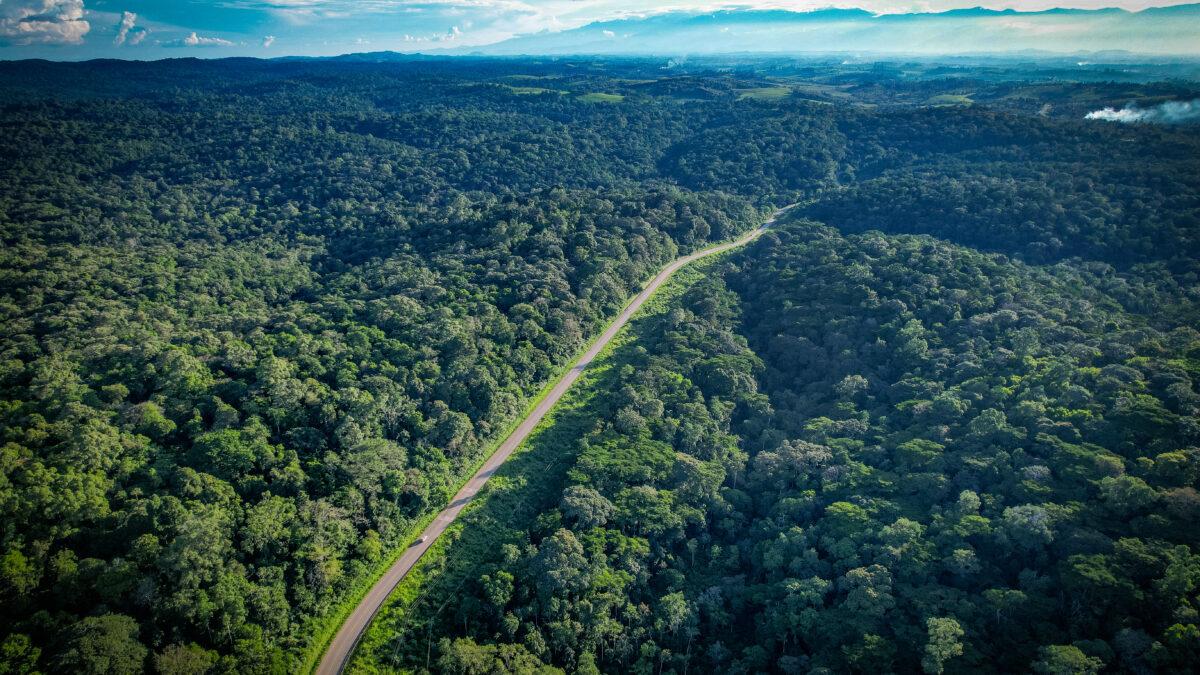
Environmental conservation means protecting and wisely using natural resources such as forests, wetlands, wildlife, water, soil and land so that they remain available for future generations.

Uganda has rich biodiversity, including forests, savannahs, mountains, lakes, rivers and wetlands. These ecosystems support agriculture, tourism, fishing, wildlife and many people’s livelihoods.

Main ways Uganda conserves the environment

  1. Tree planting and forest conservation – Planting trees, protecting forests and encouraging natural forest regeneration help reduce soil erosion and protect biodiversity.
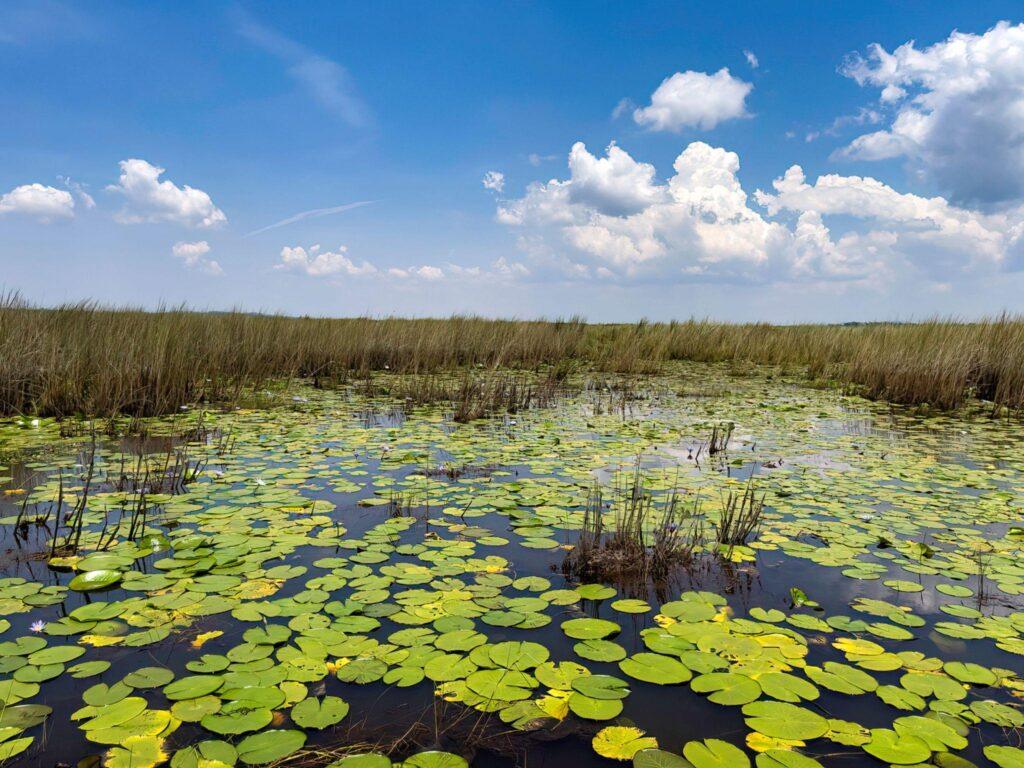
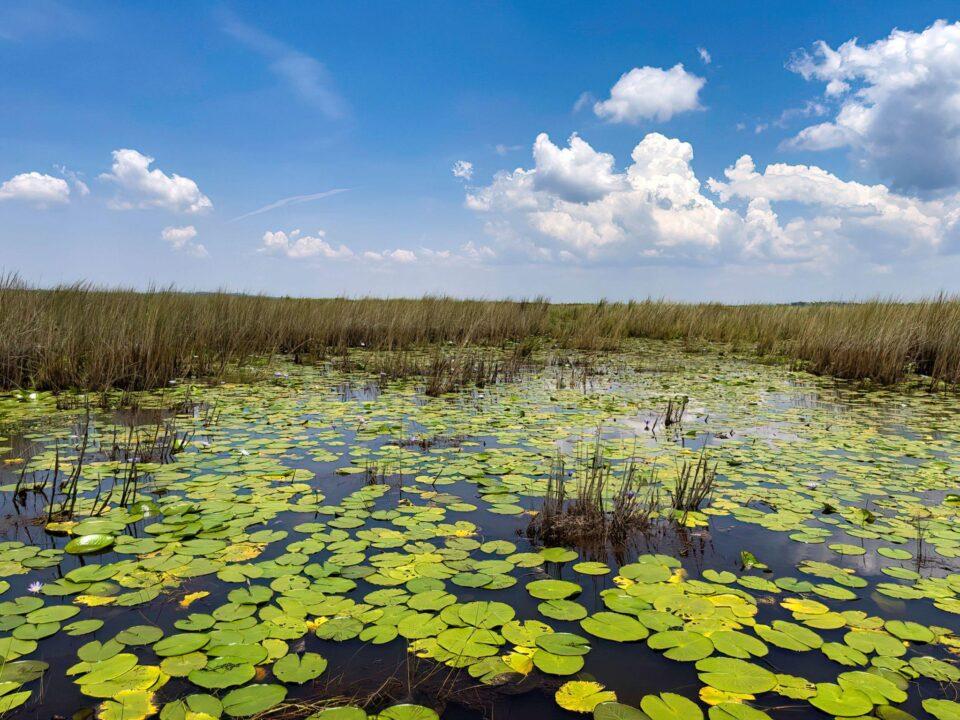
  2. Wetland conservation – Wetlands help purify water, control floods, support wildlife and provide livelihoods. Uganda has programmes to restore degraded wetlands and prevent encroachment.
  3. Wildlife conservation – National parks and other protected areas help conserve animals and their habitats, while also supporting tourism.
  4. Waste management – Proper disposal, reuse and recycling of waste help reduce pollution. NEMA also promotes reducing single-use plastics.
  5. Soil and land conservation – Farmers can use practices such as agroforestry, terracing and planting cover crops to prevent soil erosion and maintain soil fertility.
  6. Community participation – Local communities are encouraged to participate in conservation and use natural resources sustainably. Uganda’s current biodiversity strategy places strong emphasis on community-driven conservation.

Challenges

Uganda still faces deforestation, wetland encroachment, pollution, habitat destruction, climate change and unsustainable use of natural resources.

The National Environment Management Authority (NEMA) is Uganda’s principal agency for regulating, monitoring, supervising and coordinating environmental management.

In short: Environmental conservation in Uganda is important because it protects nature, supports people’s livelihoods, reduces climate and pollution risks, and preserves Uganda’s natural heritage for future generations.

Share

Related posts

June 16, 2026

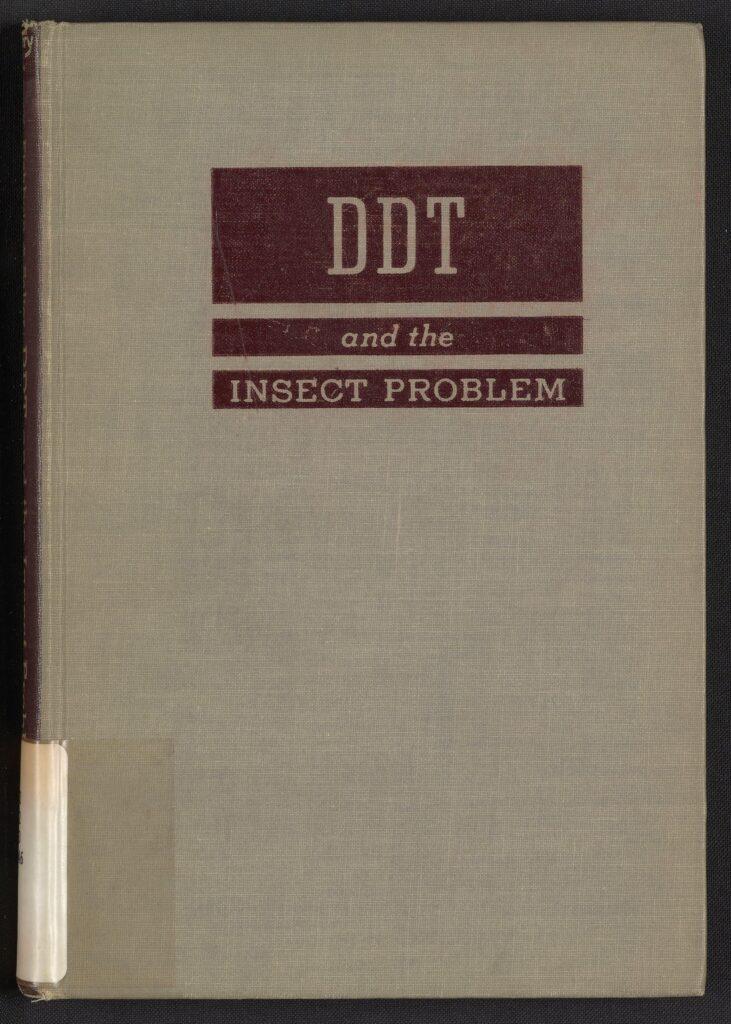
DDT (dichlorodiphenyltrichloroethane)


Read more
June 5, 2026

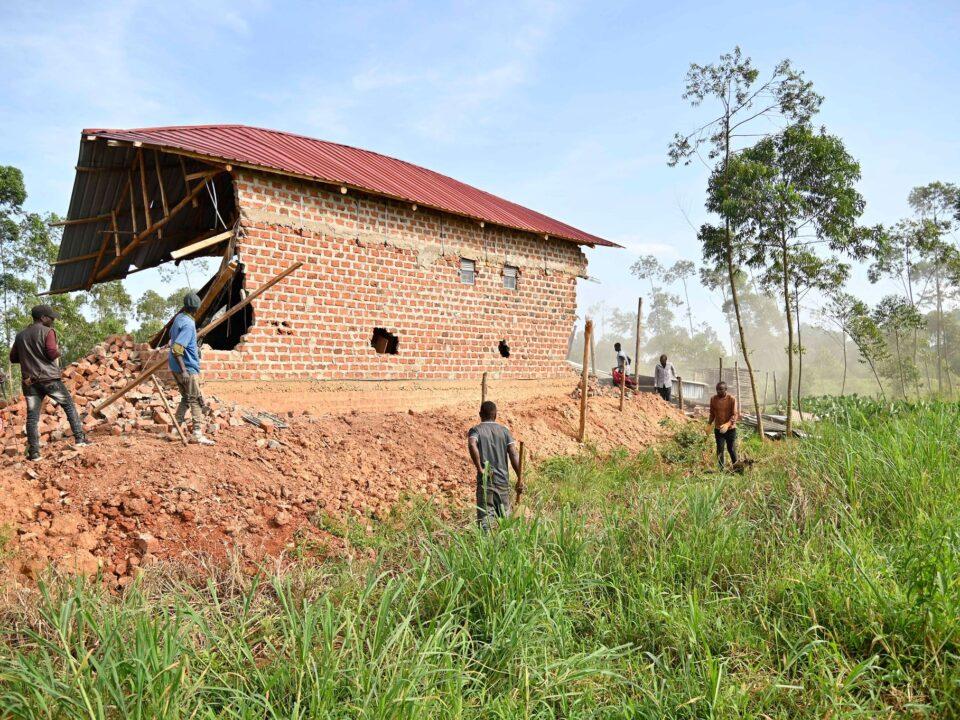
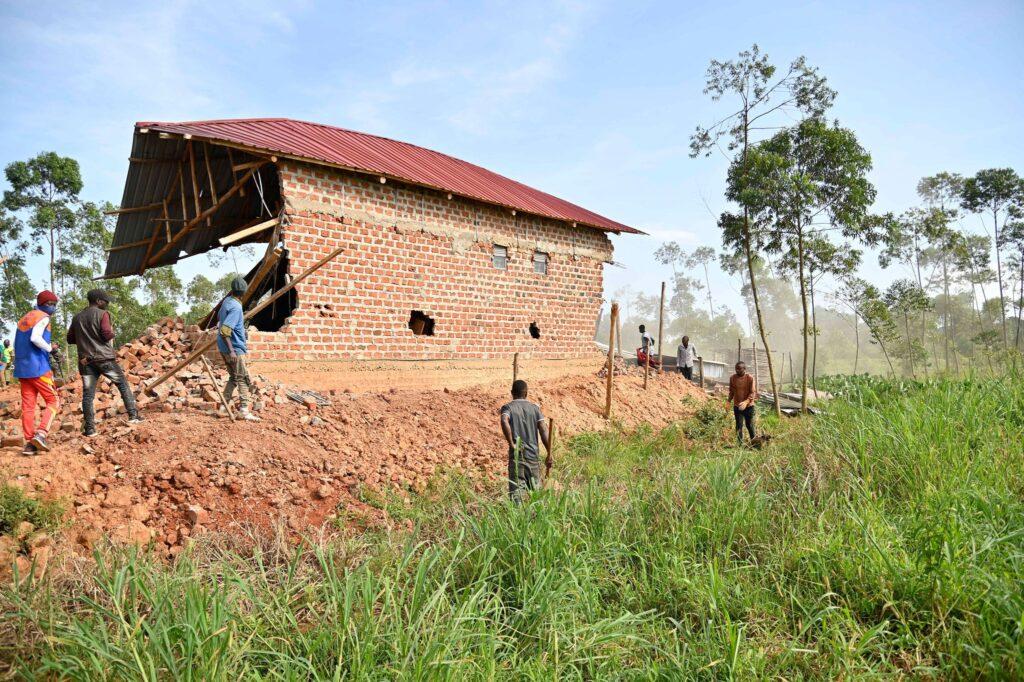
Wetland eviction in uganda


Read more
May 21, 2026

BAMBOO


Read more

Leave a Reply Cancel reply

You must be logged in to post a comment.

logo Ganyana Safaris

  • Plot 24 Gowers Road
  • PO BOX 848
  • Entebbe Uganda
  • M: +256 703 833882
  • T: +256 757 115355
  • E: info@ganyanasafaris.com
  • CC:ganyanaservicesltd@gmail.com


OUR REPRESENTATIVES
USA         + 1-702 793 588
QUICK LINKS.
  • Home
  • About us: Who we are
  • Customer Reviews/Testimonials
  • How to Enquire/Book a Trip
  • How to Pay For Trip Online
  • Privacy Policy
  • Car Hire Services
  • Ethical Statement


SAFARI PACKAGES
  • All Safari Packages
  • Gorilla Trekking Safaris
  • Wildlife Safaris
  • Birding Safaris
  • Fly-in Safaris
  • 6-9 Day Safaris
  • 10+ Day Safaris


TravelStride
  • Visit our operator page
  • More Uganda Tours
© 2017, Ganyana Safaris. All Rights Reserved.
Enquire Now!
  • LANG:
We use cookies to give you the best experience on our website. Continue browsing the site if you're ok with this. For further information, See our Cookie Policy ACCEPT REJECT
Privacy & Cookies Policy

Privacy Overview

This website uses cookies to improve your experience while you navigate through the website. Out of these cookies, the cookies that are categorized as necessary are stored on your browser as they are essential for the working of basic functionalities of the website. We also use third-party cookies that help us analyze and understand how you use this website. These cookies will be stored in your browser only with your consent. You also have the option to opt-out of these cookies. But opting out of some of these cookies may have an effect on your browsing experience.
Necessary
Always Enabled
Necessary cookies are absolutely essential for the website to function properly. This category only includes cookies that ensures basic functionalities and security features of the website. These cookies do not store any personal information.
Non-necessary
Any cookies that may not be particularly necessary for the website to function and is used specifically to collect user personal data via analytics, ads, other embedded contents are termed as non-necessary cookies. It is mandatory to procure user consent prior to running these cookies on your website.
SAVE & ACCEPT