Nsongezi Rock Shelter
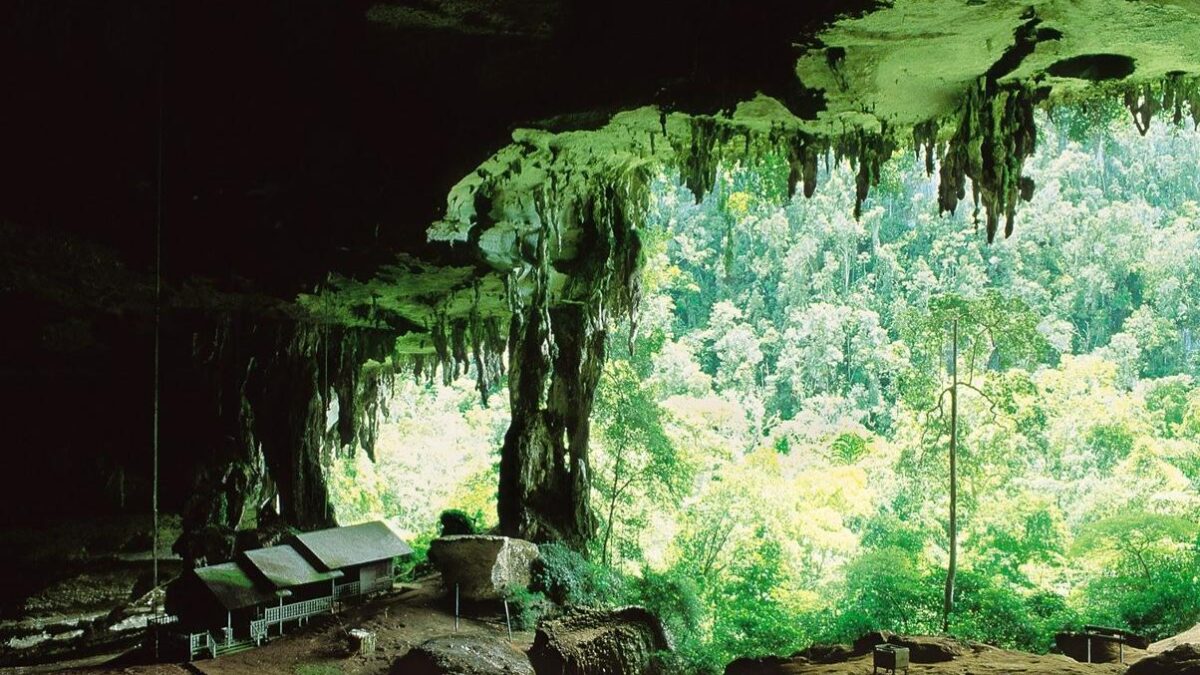
Nsongezi Rock Shelter is an important archaeological site in Isingiro District, southwestern Uganda, near the Kagera River and the Tanzania border. The small natural shelter preserves evidence spanning the Later Stone Age and later periods, making it particularly valuable for understanding long-term technological and cultural change in southern Uganda. unesco-uganda.ug
Archaeological significance
Excavations at Nsongezi produced stratified assemblages rich in microliths, scrapers and other stone tools, traditionally classified as a Wilton Later Stone Age industry. Research by Charles Nelson and Merrick Posnansky was especially important because it showed that stone-tool manufacture continued even after pottery appeared, complicating any simple division between “Stone Age” and later ceramic-using communities. Taylor & Francis Online
Setting and the shelter
The site lies on the northern margin of the Kagera River floodplain. Archaeological descriptions characterize the shelter as a shallow recess at the foot of a low cliff formed in lateritic conglomerate; quartz pebbles and gravel are visible in the rock. Its immediate environment offered access to riverine resources as well as animals from the surrounding landscape. chaz.org
What archaeologists found
Besides stone artifacts, investigations recovered pottery and animal remains. Identified fauna include hippopotamus, warthog, eland, hartebeest, duiker, leopard, rodents, ostrich and fish, providing unusually tangible evidence about the environment and resources available around prehistoric Nsongezi. chaz.org
Cultural importance
Nsongezi also belongs to the cultural landscape of western Uganda: local tradition associates the shelter with the legendary Bachwezi, while archaeological evidence provides an independent record of much earlier and later occupation. Uganda’s geological authorities have identified Nsongezi as a geoheritage site, and national heritage documentation lists it among the country’s archaeological historic sites.