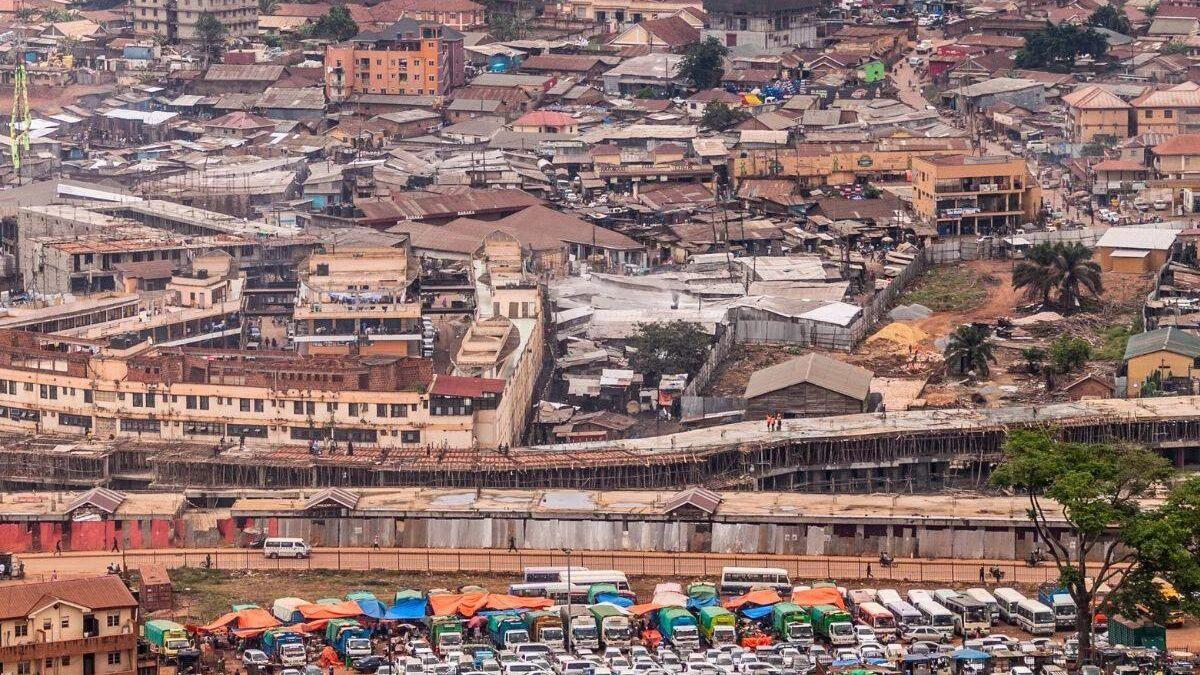
Kampala, the capital city of Uganda, is one of the fastest-growing urban centres in East Africa. The city is characterised by densely populated neighbourhoods, busy commercial streets, informal settlements, vibrant markets, transport hubs and diverse cultural activities. Areas such as Kisenyi, Katwe, Bwaise, downtown Kampala and parts of Nakivubo experience high population concentrations and significant urban challenges.
These areas are also home to vulnerable groups, including street-connected children who face challenges such as poverty, homelessness, limited access to education, inadequate healthcare, exploitation and social exclusion.
Although these challenges present serious urban management concerns, they also highlight opportunities for responsible urban tourism, community-based tourism and social development initiatives. Tourism can contribute to improving living conditions while allowing visitors to understand Kampala’s urban culture, history, resilience and community life.
However, tourism must be managed carefully to avoid exploiting vulnerable children or turning poverty into a tourist attraction.
Some of Kampala’s densely populated areas include:
A. Kisenyi
Kisenyi is located within Kampala’s central business district and is characterised by high population density, informal businesses, rental housing and a diverse population. It has a strong commercial and cultural identity, with residents from different parts of Uganda and neighbouring countries.
B. Katwe
Katwe is known for informal industries, small-scale manufacturing, workshops and informal economic activities. It offers opportunities to understand local entrepreneurship, innovation and urban livelihoods.
C. Bwaise
Bwaise is a densely populated neighbourhood that experiences challenges associated with flooding, poor drainage, sanitation and inadequate urban infrastructure in some sections.
D. Downtown Kampala
The central business district, including William Street, Wilson Road, Kikuubo, Ben Kiwanuka Street and surrounding streets, experiences heavy pedestrian movement, commercial activity, traffic congestion and high daytime population density.
These locations demonstrate Kampala’s economic energy and cultural diversity, but they also require improved infrastructure, environmental management and social services.
Major causes of street-connected childhood
- Household poverty and unemployment.
- Family breakdown, neglect and domestic violence.
- Loss of parents or guardians.
- Rural-to-urban migration.
- Limited access to education.
- Child abuse, exploitation and trafficking.
- Drug and substance abuse.
- Lack of adequate child protection and social support systems.
Challenges faced by street children
- Limited access to food, clean water and shelter.
- Exposure to violence, abuse and exploitation.
- Poor access to healthcare and education.
- Discrimination and social exclusion.
- Exposure to hazardous working and living conditions.
- Psychological distress and insecurity.
Street-connected children should be treated as children with rights and dignity, not as tourist attractions or a source of entertainment.
How Tourism Can Help Manage These Challenges
Tourism can become a tool for social transformation if it is planned and implemented responsibly.
Developing community-based tourism
Community-based tourism can allow visitors to experience Kampala’s local culture, crafts, food, markets and entrepreneurial activities.
For example:
- Organising guided cultural walks in Kisenyi.
- Promoting local food experiences.
- Visiting legitimate craft workshops and small businesses.
- Supporting community cultural events.
- Developing historical and educational walking tours.
These activities create income opportunities for local residents while allowing tourists to experience the authentic character of Kampala.