Uganda’s public transport system is the lifeline of the country’s economy, connecting people, businesses, tourists, and communities every day. Whether travelling within cities or across the country, Ugandans have a variety of transport options, including commuter trains, long-distance buses, shared taxis, airport shuttle services, and boda bodas. While challenges such as traffic congestion and infrastructure gaps remain, continued investment in roads, rail, and transport facilities is steadily improving mobility throughout the country.
Uganda Railways Passenger Train
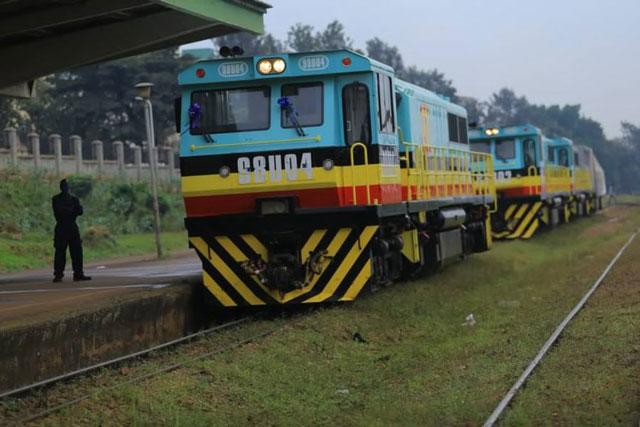
The Uganda Railways commuter train offers an affordable and reliable alternative for thousands of passengers travelling within the Greater Kampala Metropolitan Area. Operating between Kampala, Namanve, Mukono and surrounding areas, the train helps reduce traffic congestion on busy roads while providing a safe and comfortable journey. Plans to expand commuter rail services will further strengthen Uganda’s public transport network.
Long-Distance Buses
For intercity travel, Uganda’s long-distance bus services remain one of the most dependable and affordable transport options. Companies such as Pineapple Express, Gateway Bus Services, Link Bus, YY Coaches, Gaagaa Bus, Modern Coast, Global Coaches, and Jaguar Executive Coaches connect Kampala to major towns and cities including Gulu, Arua, Mbarara, Kabale, Fort Portal, Kasese, Mbale, Soroti, Lira, and neighbouring countries such as Kenya, Rwanda, Tanzania, South Sudan, and the Democratic Republic of the Congo. Modern buses provide comfortable seating, air conditioning on many routes, luggage space, and scheduled departures, making them popular with both business and leisure travellers.
Fly Express Taxis
Fly Express provides one of the fastest shared taxi services between Kampala and Entebbe. Unlike ordinary commuter taxis that stop frequently to pick up passengers, Fly Express operates with fewer stops, allowing passengers to reach their destinations more quickly. The service is especially popular among travellers heading to and from Entebbe International Airport.
Entebbe and Airport Transport
Entebbe serves as Uganda’s international gateway through Entebbe International Airport. Visitors can access licensed airport taxis, special hire vehicles, app-based ride services, airport shuttle services, Fly Express taxis, and public commuter taxis. The Kampala–Entebbe Expressway has greatly reduced travel time, making airport transfers faster and more convenient for both residents and tourists.
Taxi Parks Across Uganda
Taxi parks remain the heart of Uganda’s public transport system. Kitooro Taxi Park in Entebbe serves as the main transport hub for travellers to Kampala and other parts of Wakiso District. In Kampala, the Old Taxi Park continues to be one of the busiest transport terminals in East Africa, while the New Taxi Park, Usafi Taxi Park, Namayiba Bus Park, Kisenyi Taxi Park, and numerous regional taxi parks provide organized transport services to every corner of the country. These transport hubs connect urban centres with rural communities, ensuring people and goods move efficiently across Uganda.
Boda Bodas
Boda bodas are an essential part of Uganda’s transport system, providing quick and flexible travel, especially in busy urban areas. They are widely used for short-distance journeys and for connecting passengers from taxi parks, bus terminals, railway stations, and residential areas to their final destinations. Beyond convenience, the boda boda industry provides employment to thousands of Ugandans and plays a vital role in last-mile transportation. Continued emphasis on rider training, licensing, helmet use, and road safety will help make this sector even more reliable.
Looking Ahead
Uganda’s transport sector continues to evolve through investments in modern roads, railway expansion, improved taxi parks, safer public transport, and better traffic management. By integrating trains, buses, taxis, airport transport, and boda bodas into a well-coordinated system, Uganda is building a transport network that supports economic growth, tourism, and national development while making travel safer, faster, and more convenient for everyone.